Friday, July 5, 2024

IK CHUBAN SI

IK CHUBAN SI

In the realm of Pakistani television dramas, where emotions run deep and stories resonate with audiences across borders, Hum TV has carved out a niche for itself as a purveyor of compelling narratives. One such drama that has captivated viewers with its poignant storyline and powerful performances is "Ik Chuban Si". This drama, which translates to "A Slight Sting", delves into the intricate web of human relationships, societal norms, and personal struggles in a way that leaves a lasting impression.

Set against the backdrop of contemporary Pakistani society, "Ik Chuban Si" intricately weaves together the lives of its characters, each grappling with their own dilemmas and desires. At its heart is the story of Areej, portrayed with depth and nuance by an ensemble cast led by seasoned actors who bring their characters to life with authenticity and skill.Areej, the central protagonist, is a young woman whose journey becomes the focal point of the narrative. Her life takes a dramatic turn when she finds herself entangled in a love triangle that challenges her beliefs and tests her resilience. As the story unfolds, we witness Areej navigating through the complexities of love, betrayal, and societal expectations, all while striving to carve out her own identity.

The drama unfolds in a series of twists and turns, each episode unraveling new layers of intrigue and emotion. What sets "Ik Chuban Si" apart is its ability to delve into the psychological depths of its characters, presenting them not as mere archetypes but as multifaceted individuals shaped by their past experiences and current circumstances.

One of the most compelling aspects of the drama is its exploration of familial relationships. Areej's interactions with her parents and siblings are portrayed with a sense of realism that resonates with viewers. The dynamics within her family serve as a mirror to the broader themes of love, sacrifice, and the pursuit of happiness that permeate the storyline.

Moreover, "Ik Chuban Si" doesn't shy away from addressing pertinent social issues. Through its characters and their interactions, the drama touches upon topics such as class differences, gender roles, and the impact of societal expectations on individual freedom. These themes are seamlessly woven into the narrative, enriching the viewer's experience and prompting reflection on broader societal norms.

Central to the drama's appeal is its ability to evoke empathy and provoke thought. Viewers find themselves drawn into the lives of the characters, rooting for their triumphs and empathizing with their struggles. This emotional resonance is further amplified by the stellar performances of the cast, who bring a sense of authenticity and depth to their roles.

Production values also play a significant role in enhancing the drama's impact. The cinematography captures the essence of Pakistani landscapes and urban settings, providing a visually stunning backdrop to the unfolding drama. The soundtrack complements the narrative, evoking a range of emotions that heighten the viewing experience.

As "Ik Chuban Si" reaches its crescendo, viewers are left contemplating the intricacies of human relationships and the choices that shape our lives. The drama's denouement offers both resolution and introspection, leaving a lasting impression on those who have embarked on this emotional journey.


\In conclusion, "Ik Chuban Si" stands as a testament to the power of Pakistani television dramas to engage, inspire, and provoke thought. Through its compelling storyline, nuanced characters, and exploration of universal themes, the drama has captured the hearts and minds of viewers across the globe. It serves as a reminder of the rich storytelling tradition that continues to thrive in the world of Pakistani entertainment, offering audiences a glimpse into the complexities of human experience and the enduring power of resilience.

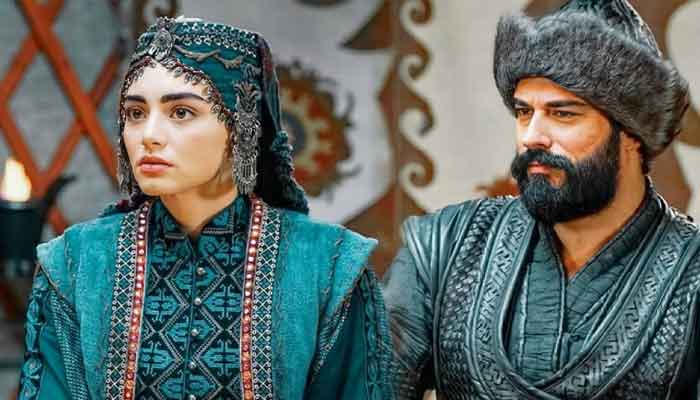
KURULUS USMAN SEASON 5

KURULUS USMAN SEASON 5

Once in a while, a story emerges that not only captivates the audience but also leaves a lasting impression on society. 'Geo Drama Usman' is one such narrative that has resonated deeply with viewers across Pakistan and beyond. This drama series, with its compelling storyline and well-drawn characters, has successfully woven together elements of love, sacrifice, ambition, and societal issues into a tapestry that reflects the complexities of human existence.

At the heart of 'Geo Drama Usman' lies the character after whom the series is named, Usman. Played brilliantly by a seasoned actor, Usman's character embodies resilience and determination in the face of adversity. From the very first episode, viewers are drawn into his world—a world where dreams clash with harsh realities, where love becomes both a source of strength and vulnerability.

The narrative unfolds against the backdrop of a small village nestled amidst lush green fields—a setting that adds a rustic charm to the storyline. This village, with its tightly knit community and age-old traditions, serves as a microcosm of Pakistani rural life, where honor, respect, and familial ties hold sway over individuals' destinies.

Central to the plot is Usman's journey of self-discovery and growth. As a young man full of dreams and aspirations, he navigates the intricate web of societal expectations and familial responsibilities. His character development is portrayed with nuance, showcasing his evolution from a naive dreamer to a mature individual who learns to reconcile his ambitions with the practicalities of life.

The drama deftly explores themes of social justice and inequality, shedding light on issues that resonate deeply with contemporary Pakistan. It portrays the struggles of ordinary people against systemic injustices, highlighting the disparities that exist between the privileged few and the marginalized masses. Through its narrative arc, 'Geo Drama Usman' prompts viewers to reflect on the harsh realities faced by many in society while offering a glimmer of hope through its protagonist's unwavering resolve.

One of the show's strengths lies in its ensemble cast, each member contributing to the richness of the storyline. From Usman's steadfast love interest to the antagonistic forces that seek to thwart his ambitions, every character is meticulously crafted to elicit empathy or disdain from the audience. The interpersonal dynamics are portrayed with depth, exploring the complexities of human relationships in all their glory and imperfection.

Moreover, the drama's production values are commendable, with picturesque cinematography capturing the beauty of rural Pakistan. The authenticity of the setting adds a layer of realism to the narrative, transporting viewers to a world where time seems to move at a different pace and where every plot twist resonates with emotional intensity.

Beyond its entertainment value, 'Geo Drama Usman' serves as a mirror reflecting the cultural ethos and societal dynamics of contemporary Pakistan. It tackles issues such as gender roles, family honor, and economic disparity with sensitivity, prompting viewers to engage in meaningful conversations about these pressing topics. In doing so, the drama transcends its role as mere entertainment, becoming a catalyst for social introspection and dialogue.

Ultimately, what sets 'Geo Drama Usman' apart is its ability to strike a chord with audiences on a profound emotional level. Whether it is through Usman's unwavering determination, the poignant portrayal of familial bonds, or the exploration of societal injustices, the drama resonates with viewers by tapping into universal themes of love, loss, and the pursuit of a better tomorrow.

In conclusion, 'Geo Drama Usman' stands as a testament to the power of storytelling to inspire, provoke thought, and evoke empathy. Through its compelling narrative and memorable characters, it has carved out a special place in the hearts of viewers, leaving an indelible mark on the landscape of Pakistani television. As the series continues to unfold, one thing remains certain: the legacy of 'Geo Drama Usman' will endure, its impact reverberating long after the final episode has aired.

Thursday, July 4, 2024

SALTANNAT

SALTANNAT

In the realm of Pakistani television dramas, *Sultanat* stands as a significant testament to the evolving landscape of storytelling. Helmed by the renowned Hum TV network, this drama has captured the hearts of viewers with its compelling narrative and memorable characters.

At its core, *Sultanat* delves deep into the intricacies of human relationships, societal norms, and the pursuit of power. Set against the backdrop of a fictional Pakistani town, the storyline weaves together the lives of several families whose destinies become intricately intertwined. 

The drama unfolds with the introduction of its central character, Shahbaz Khan, a charismatic and ambitious man who rises from humble beginnings to become a powerful political figure in his community. His journey is marked by both triumphs and tribulations, showcasing the complexities of leadership and the sacrifices it demands.

*Sultanat* doesn’t shy away from addressing pertinent social issues. It tackles themes such as corruption, gender inequality, and the clash between tradition and modernity. Through its diverse cast of characters, the drama explores how these issues impact individuals from different walks of life, offering viewers a nuanced perspective on contemporary Pakistani society.

Central to the narrative are the relationships that shape the characters’ lives. Shahbaz Khan’s dynamic with his wife, Sara, epitomizes the struggles of balancing personal ambitions with familial responsibilities. Their evolving relationship serves as a microcosm of the broader themes of loyalty, betrayal, and forgiveness that resonate throughout the drama.

The supporting characters in *Sultanat* are equally compelling. From Shahbaz Khan’s loyal confidant, Malik, to his ambitious rival, Farooq, each character adds depth and complexity to the storyline. Their interactions contribute to the drama’s rich tapestry, illustrating the interconnected nature of human lives and the ripple effects of individual choices.

Hum TV’s production values shine through in *Sultanat*. The drama is visually stunning, with breathtaking cinematography that captures the beauty of the Pakistani landscape. The attention to detail in set design and costumes transports viewers to the heart of the story, immersing them in the world of its characters.

One of the drama’s standout features is its ability to evoke a range of emotions from its audience. Moments of intense drama are interspersed with lighthearted humor and poignant introspection, creating a balanced viewing experience. This emotional depth is complemented by a stellar cast whose performances bring authenticity and realism to their roles.

*Sultanat* also serves as a platform for dialogue and reflection. By presenting complex issues through a narrative lens, the drama encourages viewers to confront societal norms and challenge prevailing attitudes. It sparks conversations about power dynamics, ethical dilemmas, and the evolving role of media in shaping public perception.

In conclusion, *Sultanat* exemplifies the best of Pakistani television dramas. Through its compelling storyline, well-developed characters, and thought-provoking themes, it captivates audiences and leaves a lasting impression. As viewers follow the journey of Shahbaz Khan and those around him, they are not only entertained but also enlightened about the complexities of human nature and society.*Sultanat* stands as a testament to the power of storytelling and its ability to transcend cultural boundaries. It is more than just a drama; it is a reflection of the times we live in and a reminder of the enduring power of resilience, hope, and the human spirit.

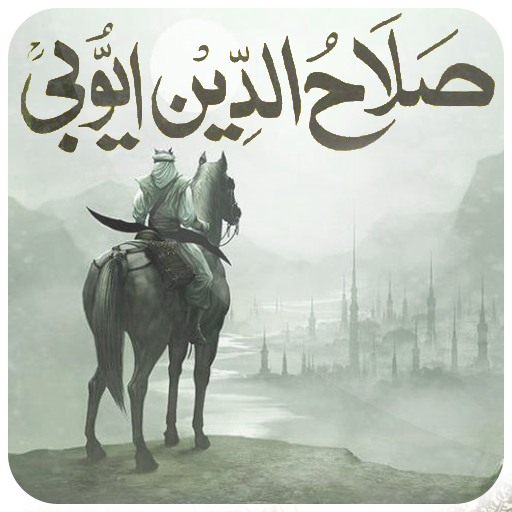
SULTAN SALAHUDDIN AYUBI

SULTAN SALAHUDDIN AYYUBI


In the realm of Pakistani television dramas, few productions stand as prominently as "Sultan Salahuddin Ayyubi" on Hum TV. This historical drama, set in the 12th century, transports viewers back to a time of valiant warriors, intricate politics, and profound moral dilemmas. Inspired by the life of Salahuddin Ayyubi, the renowned Muslim leader and warrior who became Sultan of Egypt and Syria, this series blends historical accuracy with captivating storytelling to bring an ancient era alive on the small screen.

From its outset, the drama immerses viewers in the turbulent political landscape of the Crusades, where Salahuddin Ayyubi emerges as a pivotal figure. Played by a talented cast, the character of Salahuddin is portrayed with depth and nuance, depicting his journey from a young man of ambition to a leader revered for his wisdom and compassion. The narrative traces his rise to power, beginning with his role as the vizier of Egypt under the Fatimid Caliphate, to his eventual conquest of Jerusalem, marking a significant turning point in history.

Central to the drama are not only the conquests and battles that shaped Salahuddin's legacy but also his personal struggles and relationships. The portrayal of his interactions with his contemporaries, including his advisor and confidante Imad ad-Din Zengi, adds layers of complexity to the storyline. The drama also delves into Salahuddin's family dynamics, particularly his relationship with his sister, Sittah, and his nephew, Taqi al-Din, illustrating the human side of this historical icon.

Beyond the character-driven narrative, "Sultan Salahuddin Ayyubi" excels in its attention to historical detail and production quality. The elaborate sets, costumes, and cinematography transport viewers to the medieval Middle East, evoking the grandeur and opulence of the era. The authenticity of the setting is further complemented by meticulous research, ensuring that the political intrigues and cultural nuances of the time are faithfully represented.


Moreover, the drama explores timeless themes that resonate with contemporary audiences. It examines concepts of justice, mercy, and leadership, as Salahuddin navigates the complexities of ruling a diverse empire. His commitment to religious tolerance and respect for different faiths is particularly poignant in today's global context, offering viewers a powerful reflection on the enduring relevance of these principles.

One of the standout aspects of "Sultan Salahuddin Ayyubi" is its ability to blend entertainment with education. While the drama captivates with its dramatic twists and emotional intensity, it also serves as a window into Islamic history and culture for viewers both within Pakistan and internationally. By shedding light on Salahuddin's contributions to civilization, the series fosters a deeper understanding and appreciation of Muslim heritage, bridging cultural divides through the universal language of storytelling.

The success of "Sultan Salahuddin Ayyubi" lies not only in its compelling narrative and production values but also in its impact on popular culture. The drama has sparked renewed interest in medieval Islamic history among audiences, prompting discussions about the relevance of historical figures like Salahuddin in today's world. It serves as a testament to the power of television as a medium for both entertainment and enlightenment, offering viewers a chance to engage with history in a meaningful and immersive way.

In conclusion, "Sultan Salahuddin Ayyubi" stands as a testament to the enduring appeal of historical dramas and the power of storytelling to illuminate the past. Through its meticulous attention to detail, compelling characters, and thought-provoking themes, the drama not only entertains but also educates, leaving a lasting impression on viewers long after the final episode airs. As television continues to evolve, dramas like "Sultan Salahuddin Ayyubi" remind us of the importance of preserving and sharing the rich tapestry of human history for future generations.

Wednesday, July 3, 2024

WEHSHI

WEHSHI

Hum TV has been a pioneer in bringing forth thought-provoking and engaging dramas to its audience, and "Wehshi" is no exception. This gripping series delves deep into the complexities of human nature, unraveling the darker aspects of society through its well-crafted storyline and compelling characters.

Set against the backdrop of urban Karachi, "Wehshi" paints a vivid picture of the lives of its protagonists, each struggling with their own inner demons and external challenges. The narrative follows the intertwined fates of two families, the wealthy and influential Shehriyar family and the more modest Ahmed family, highlighting the stark contrasts in their lifestyles and values.

At the heart of the drama is Shehriyar, the patriarch of the Shehriyar family, portrayed with nuance and depth by the seasoned actor, Adnan Siddiqui. Shehriyar is a complex character, torn between his desire for power and control, and his underlying vulnerability stemming from past traumas. His portrayal resonates with viewers as he navigates through familial conflicts and ethical dilemmas, ultimately questioning the very foundations of his identity.

Opposite Shehriyar is Ali, played by the talented Aijaz Aslam, whose character serves as a stark contrast to the affluent Shehriyar family. Ali represents the struggles of the working class, embodying resilience and determination in the face of adversity. His journey is a testament to the resilience of the human spirit, as he confronts challenges head-on while striving to uphold his principles and protect his loved ones.

The female leads in "Wehshi" are equally compelling, with Sana, portrayed by the versatile Sanam Saeed, standing out as a beacon of strength and resilience. Sana's character defies stereotypes, challenging societal norms with her intelligence and courage. Her relationship with Shehriyar adds layers of complexity to the narrative, highlighting the dynamics of power and control within relationships.

The drama is not merely a tale of personal conflicts but also serves as a reflection of broader societal issues. Themes of class disparity, ethical dilemmas, and the consequences of unchecked ambition are woven seamlessly into the narrative, prompting viewers to introspect on their own beliefs and values. The portrayal of Karachi as a vibrant yet troubled city adds to the authenticity of the storyline, grounding the drama in a palpable sense of place and time.

"Wehshi" is further elevated by its production values, with meticulous attention to detail evident in every frame. The cinematography captures the essence of urban Karachi, from its bustling streets to its serene seaside vistas, providing a visually captivating backdrop to the unfolding drama. The musical score complements the narrative, evoking emotions and enhancing the overall viewing experience.

What sets "Wehshi" apart from other dramas is its willingness to confront uncomfortable truths and challenge conventional storytelling norms. The characters are flawed yet relatable, their struggles mirroring the complexities of real-life relationships and dilemmas. The dialogue is sharp and poignant, conveying profound emotions with a raw authenticity that resonates with viewers on a personal level.


As the drama unfolds, it builds towards a crescendo of tension and suspense, keeping viewers on the edge of their seats. Twists and turns in the plot reveal unexpected truths and test the characters' resolve, culminating in a climax that leaves a lasting impact. The resolution is both satisfying and thought-provoking, offering insights into the consequences of choices made and the paths taken.

In conclusion, "Wehshi" stands as a testament to the power of storytelling in Pakistani television. It captivates viewers with its compelling narrative, memorable characters, and poignant exploration of societal issues. Through its nuanced portrayal of human nature and ethical dilemmas, it prompts viewers to reflect on their own lives and choices. Hum TV continues to set the bar high with dramas like "Wehshi," reaffirming its position as a trailblazer in the i ndustry and leaving an indelible mark on the hearts and minds of its audience.

TIKAY KA SAHARA

TINKAY KA SAHARA

In the realm of Pakistani television dramas, where storytelling often weaves intricate narratives of love, family dynamics, and societal issues, Hum TV has consistently stood out as a frontrunner. One such drama that has captivated audiences with its compelling storyline and powerful performances is "Tinkay Ka Sahara".

Set against the backdrop of contemporary Pakistani society, "Tinkay Ka Sahara" delves deep into the lives of its characters, offering a glimpse into their joys, sorrows, aspirations, and challenges. At its core, the drama explores the intricate relationships between family members and the impact of societal norms on individual lives.

The narrative revolves around the Khan family, whose members find themselves entangled in a web of emotions and conflicts. At the helm is Zainab, portrayed brilliantly by Sajal Aly, a young woman who embodies resilience and determination. Zainab's journey is one of self-discovery and defiance against the odds stacked against her. Her character resonates deeply with viewers as she navigates through the complexities of familial expectations and personal ambitions.

Central to the storyline is Zainab's relationship with her father, played by the seasoned actor Adnan Siddiqui. Their bond is portrayed with nuance, highlighting the generational gap and the clash between tradition and modernity. Through their interactions, the audience witnesses the evolving dynamics within a patriarchal family structure, where love and authority often collide.

As the plot unfolds, "Tinkay Ka Sahara" sheds light on pertinent social issues prevalent in Pakistani society. From gender discrimination to class disparities, the drama confronts these issues head-on, prompting viewers to reflect on the entrenched norms that shape their lives. The narrative is not merely entertainment; it serves as a mirror, reflecting the realities faced by many in today's world.


The supporting cast adds depth to the storyline, each character contributing uniquely to the overarching narrative. From Zainab's supportive siblings to the antagonistic relatives, every individual is intricately woven into the fabric of the drama, creating a tapestry of emotions and conflicts.

The screenplay, penned by renowned writer Umera Ahmed, is a testament to her storytelling prowess. Her ability to craft multidimensional characters and thought-provoking dialogues elevates "Tinkay Ka Sahara" beyond conventional melodrama. Each episode unfolds seamlessly, drawing viewers deeper into the lives of the characters and their interconnected fates.

The visual aesthetics of the drama further enhance its appeal. From scenic backdrops to meticulously designed sets, every detail contributes to the authenticity of the narrative. The cinematography captures the essence of Pakistani culture, immersing the audience in a world that feels both familiar and enchanting.

Music plays a pivotal role in setting the tone of "Tinkay Ka Sahara". The melodious soundtrack resonates with the emotional highs and lows of the characters, evoking empathy and nostalgia among viewers. Whether it is a poignant ballad or an upbeat track, each song enhances the narrative, leaving a lasting impression on the audience.Beyond its entertainment value, "Tinkay Ka Sahara" serves as a catalyst for dialogue and introspection. It challenges societal norms and encourages viewers to question preconceived notions about gender roles, family dynamics, and personal ambitions. The drama's ability to provoke thought while entertaining makes it a standout among its peers in the world of Pakistani television.

In conclusion, "Tinkay Ka Sahara" is more than just a television drama; it is a reflection of the human experience. Through its compelling storyline, powerful performances, and thought-provoking themes, the drama resonates with viewers on a profound level. It celebrates the triumph of the human spirit against adversity and reminds us of the enduring power of love, courage, and resilience. As the credits roll on each episode, one cannot help but eagerly await the next chapter in the lives of the Khan family, eager to witness their journey unfold amidst the complexities of life.

Monday, July 1, 2024

JODI BAN GAE

JODI BAN GAE


In the vast realm of television dramas that grace our screens daily, there emerges from time to time a story that captures not just attention but also hearts. One such recent addition to the landscape is the drama "Jodi Ban Gayi" on New Jeo TV. As an avid viewer and someone deeply intrigued by the dynamics of storytelling, I couldn't resist delving into what makes this drama a standout amidst the myriad options available.

"Jodi Ban Gayi" translates to "They Became a Couple," a title that promises a journey into the intricacies of relationships. This drama, unlike many others, doesn't merely scratch the surface of love stories but dives deep into the complexities and challenges that accompany relationships in today's world. Set against the backdrop of a bustling city, the narrative unfolds with a refreshing blend of realism and drama, striking a chord with viewers who seek substance in their entertainment.


The storyline revolves around two protagonists, Ayan and Saira, whose lives intertwine unexpectedly. Ayan, portrayed by the versatile actor Zain Ali, is a charismatic young man with ambitions that often clash with societal expectations. His character is nuanced, balancing charm with flaws that make him relatable. Opposite him is Saira, played by the talented Hira Khan, whose portrayal of a strong-willed yet emotionally vulnerable woman adds depth to the narrative. The chemistry between the lead actors is palpable, drawing viewers into their journey from the very first episode.

What sets "Jodi Ban Gayi" apart is its narrative finesse. The scriptwriters have crafted a story that navigates through themes of love, sacrifice, ambition, and societal pressures with a deft touch. Each episode unfolds like a chapter in a well-written novel, building suspense, evoking emotions, and leaving viewers eagerly awaiting the next installment. The dialogues are crisp and impactful, reflecting the pulse of contemporary urban life while resonating with universal emotions.

Moreover, the supporting cast complements the leads with their stellar performances. Characters like Ayan's supportive yet pragmatic friend Armaan, played by the talented Bilal Abbas, and Saira's fiercely protective elder sister Ayesha, portrayed by the seasoned actress Sana Javed, add layers of depth and intrigue to the storyline. Their interactions with the protagonists offer insights into different perspectives on love and relationships, enriching the overall viewing experience.

Beyond its compelling narrative and strong performances, "Jodi Ban Gayi" also shines in its production values. The cinematography captures the essence of urban landscapes, showcasing the beauty of city life alongside its challenges. The music, carefully curated to complement each scene, enhances the emotional impact of pivotal moments, making them resonate long after the episode concludes. These elements blend seamlessly to create a visual and auditory tapestry that immerses viewers in the world of the characters.

One of the drama's greatest strengths lies in its portrayal of contemporary issues. It doesn't shy away from addressing topics such as gender dynamics, familial expectations, and the pursuit of personal happiness in a fast-paced world. Through its characters' journeys, "Jodi Ban Gayi" prompts viewers to reflect on their own beliefs and choices, sparking conversations about love, identity, and the quest for fulfillment.

Furthermore, the direction of "Jodi Ban Gayi" deserves applause for its ability to balance drama with realism. Scenes are crafted with meticulous attention to detail, allowing emotions to unfold naturally and conflicts to escalate in a way that feels organic. Whether it's a tender moment between Ayan and Saira or a heated confrontation with their families, each scene is crafted to evoke genuine reactions, keeping viewers invested in the storyline.

As the drama progresses, it becomes evident that "Jodi Ban Gayi" is more than just a love story; it's a reflection of our times. It explores how individuals navigate the complexities of relationships while staying true to themselves, challenging conventions and breaking stereotypes along the way. The evolution of Ayan and Saira's relationship serves as a microcosm of broader societal changes, highlighting the importance of communication, understanding, and mutual respect in any partnership.

In conclusion, "Jodi Ban Gayi" on New Jeo TV is a testament to the power of storytelling in television dramas. With its compelling narrative, strong performances, and thoughtful exploration of contemporary issues, it has captured the hearts of viewers across demographics. Whether you're a fan of romance, drama, or simply enjoy well-crafted storytelling, this drama offers something for everyone. As I eagerly await each new episode, I find myself drawn deeper into the lives of Ayan and Saira, rooting for their happiness and eagerly anticipating the twists and turns that lie ahead. If you haven't already tuned in, I highly recommend giving "Jodi Ban Gayi" a watch—you might just find yourself pleasantly surprised by its depth and resonance.


JUDWAA